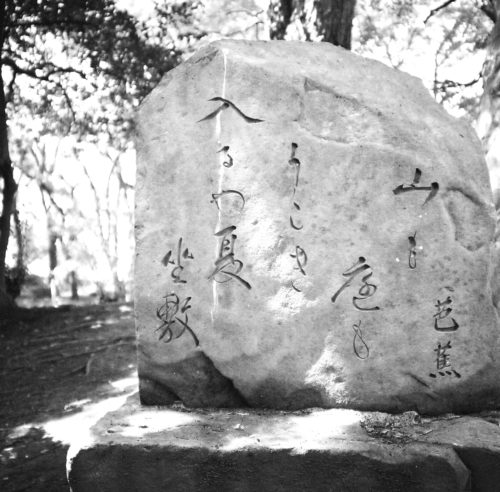
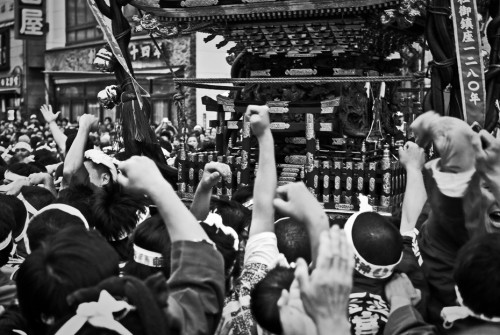
Poetry and the death poem existed in Japan long before Buddhism, but it brought with it a new and lasting significance, explains Professor D. B Picken in Part 9 of his “Death in the Japanese Tradition”.
From suicide cults and self mortification to the worship of benevolent cultic figures such as Jizo and Amida, Professor Stuart D. B. Picken looks at the ways in which Buddhism in Japan provided a metaphysic of death that enabled the people to endure the hardships of life in the hope of a better hereafter, in Part 8 of “Death in the Japanese Tradition”.
Professor D. B. Picken looks at the introduction of Buddhism into Japan, how it was received and how it influenced the cultural mentality of the Japanese people in Part 7 of his “Death in the Japanese Tradition” series.
Professor D. B. Picken examines the history, formation, evolution and continuing importance of death systems in Japan in Part 6 of his 20-part series, “Death in the Japanese Tradition”.
In Part 5 of his “Death in the Japanese Tradition” monograph, Professor Stuart D. B. Picken looks at kami, and how the concern of the Japanese for the welfare of ancestral spirits is a feature that runs throughout their history and permeates every aspect of Japanese culture.
In Part 4 of “Death in the Japanese Tradition”, Professor Stuart D. B. Picken looks at the themes sounded in the classics that continue into modern Japan, and at the ancient folk beliefs, customs and rituals that are still maintained in many places today.
Professor Ruth Johnson Carter looks at the ways in which the murder trial of Emma Cunningham exemplified how race, wealth and geographical location effect the fairness of death row trials.
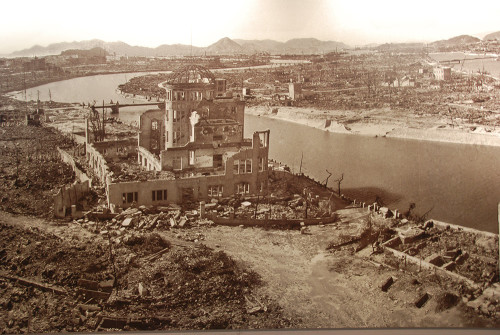
Theron Fairchild finds that the narratives surrounding the atomic weapons used against Japan vary in accuracy, each with histories of their own, influenced by political, social, economic, moral, and speculative arguments.
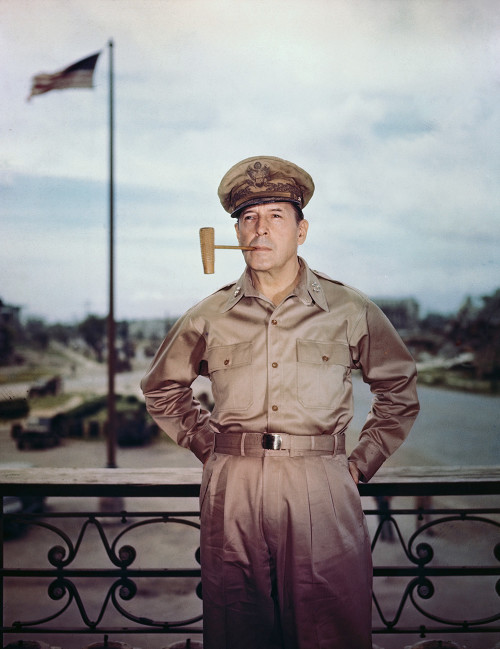
David McCormack gives a short history of General Douglas MacArthur’s administration of Japan and his six decades on the throne as a ‘man of the people’.
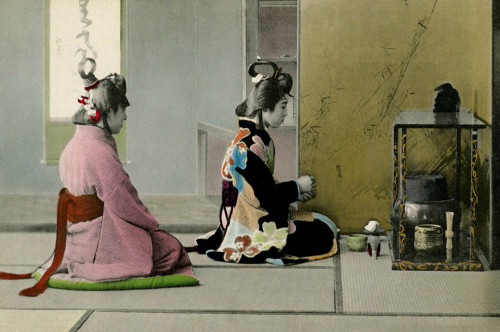
Dr. Alexandre Avdulov gives a short history of the globalisation of Chanoyu, better known as Japanese tea ceremony, and argues that the practice has provided great potential for intercultural communication.
Dr. George D. Chryssides looks at the nature of power in religious communities, with particular reference to new religious movements, or “cults”, and how this power is used by leaders.
America has long been taken up with the issue of cultural identity, and its literary authorship has been no less engaged. Who gets to say what writing best speaks for the culture? A. Robert Lee examines the formation of the American literary canon.
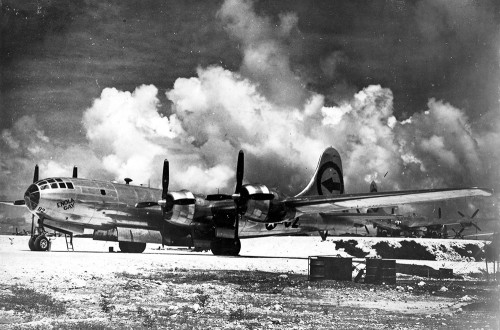
Michael Liam Kedzlie gives an account of USAF operations the morning of the atomic bombing of Hiroshima, Japan.
Professor J.A.A Stockwin looks at Japan’s development under the Abe Government, including the political system, the ‘Peace Constitution’, human rights and foreign policy.
You must be logged in to post a comment.