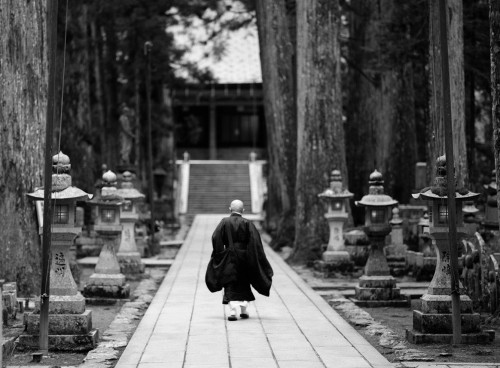
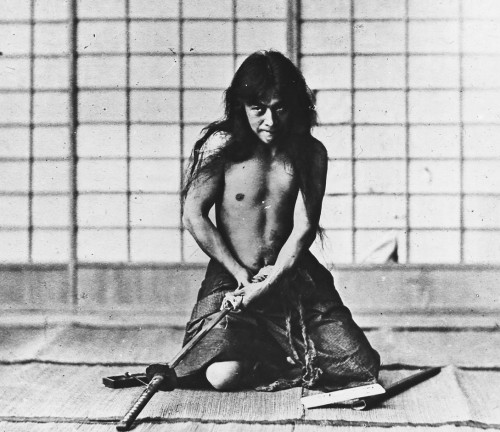
Professor Stuart D. B. Picken looks at the mentality of Japanese terrorism and violence, and where its roots lie, in Part 18 of “Death in the Japanese Tradition”.
In Part 17 of Professor Stuart D.B. Picken’s “Death in the Japanese Tradition” monograph, he looks at the ways in which Japanese popular culture reflects the nation’s traditional values, and influences those of today.
In Part 16 of Professor Stuart D. B. Picken’s monograph “Death in the Japanese Tradition”, he examines case studies of the different types of suicide present in modern-day Japan, from group and pact suicide, to forced suicide.
Professor Stuart D. B. Picken explores the influence of Nogi syndrome and post-World War 2 survivor syndrome on modern-day Japanese work culture, in Part 15 of his “Death in the Japanese Tradition” monograph.
From the 1932 “Three Human Torpedoes”, followed by a growing trend of group suicide, to the kamikaze suicide pilots of World War 2, Professor Stuart D. B. Picken examines the ways in which the militarist tradition of suicide has survived into Japan’s modern history.
Professor Stuart D. B. Picken explains the ways in which Japan’s Confucian social structures of harmony, duty and loyalty relate to its history of loyalty-inspired suicide in Part 13 of his “Death in the Japanese Tradition” monograph.
In Part 12 of his “Death in the Japanese Tradition” monograph, Professor Stuart D. B. Picken explains the apparent influence of the mentality of bushido, the way of the warrior, on Japanese attitudes towards death.
In Part 11 of Professor Stuart D. B. Picken’s “Death in the Japanese Tradition”, he compares and contrasts the Christian view of death with that of the Japanese Buddhist.
Using two excerpts by contemporary authors, Francesca Pierini examines our perception of knowledge, and the ways in which it can both empower and limit a society.
In Part 10 of “Death in the Japanese Tradition”, Professor Stuart D. B. Picken explains the subtle cultural differences between the Japanese view of death and that found in other cultures, principally those that have been influenced by Christianity.
Poetry and the death poem existed in Japan long before Buddhism, but it brought with it a new and lasting significance, explains Professor D. B Picken in Part 9 of his “Death in the Japanese Tradition”.
Dr. Brian A. Victoria explores the nature of the relationship between religion and war, and the implications of it on our “shared humanity”.
From suicide cults and self mortification to the worship of benevolent cultic figures such as Jizo and Amida, Professor Stuart D. B. Picken looks at the ways in which Buddhism in Japan provided a metaphysic of death that enabled the people to endure the hardships of life in the hope of a better hereafter, in Part 8 of “Death in the Japanese Tradition”.
Qin Qin examines the setbacks, progress and influence of queer film in China, from Zhang Yuan’s East Palace, West Palace of the 1990s, to the new media regulations of 2016 which prohibit representation of “abnormal sexual relationships”.
Professor D. B. Picken looks at the introduction of Buddhism into Japan, how it was received and how it influenced the cultural mentality of the Japanese people in Part 7 of his “Death in the Japanese Tradition” series.
Professor D. B. Picken examines the history, formation, evolution and continuing importance of death systems in Japan in Part 6 of his 20-part series, “Death in the Japanese Tradition”.
In Part 5 of his “Death in the Japanese Tradition” monograph, Professor Stuart D. B. Picken looks at kami, and how the concern of the Japanese for the welfare of ancestral spirits is a feature that runs throughout their history and permeates every aspect of Japanese culture.
Nigel H. Foxcroft analyses the influence of cultures and civilizations upon literature and national identity by investigating the evolution of the cosmic consciousness of the English Modernist novelist and poet, Malcolm Lowry (1909-57) after his experience of the Mexican Day of the Dead Hispanic festival.
In Part 4 of “Death in the Japanese Tradition”, Professor Stuart D. B. Picken looks at the themes sounded in the classics that continue into modern Japan, and at the ancient folk beliefs, customs and rituals that are still maintained in many places today.
Professor Stuart D. B. Picken uses two great classics of Japanese literature, the Manyoshu and the Nihonshoki, to glean invaluable insights into the ancient Japanese understanding of the nature of human life and the origins of death in Part 3 of his “Death in the Japanese Tradition” series.
In Part 2 of his serialised monograph, “Death in the Japanese Tradition”, Professor Stuart D. B. Picken looks at Japanese attitudes to death through the ages, from primal awakenings to Prehistoric perceptions.
The first instalment of Professor Stuart Picken’s serialised monograph “Death in the Japanese Tradition: A Study in Cultural Evolution and Transformation”, explains where his study of the subject began, and outlines where he will go with it.
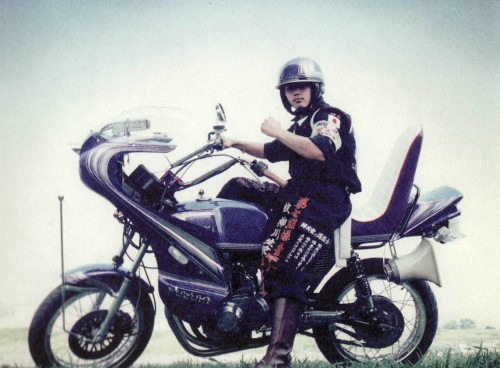
Dr. Paul Spicer on God Speed You! Black Emperor, a bōsōzoku biker gang documentary film by Yanagimachi, which both fascinates and infuriates.
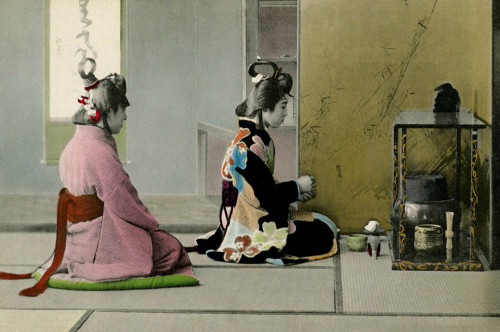
Dr. Alexandre Avdulov gives a short history of the globalisation of Chanoyu, better known as Japanese tea ceremony, and argues that the practice has provided great potential for intercultural communication.
You must be logged in to post a comment.