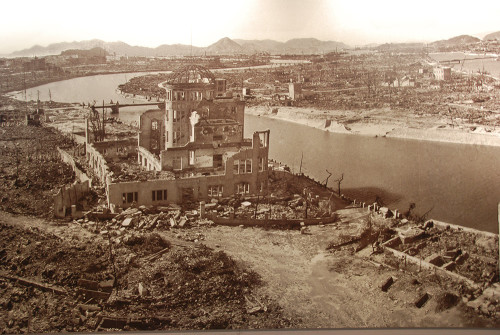
Theron Fairchild finds that the narratives surrounding the atomic weapons used against Japan vary in accuracy, each with histories of their own, influenced by political, social, economic, moral, and speculative arguments.
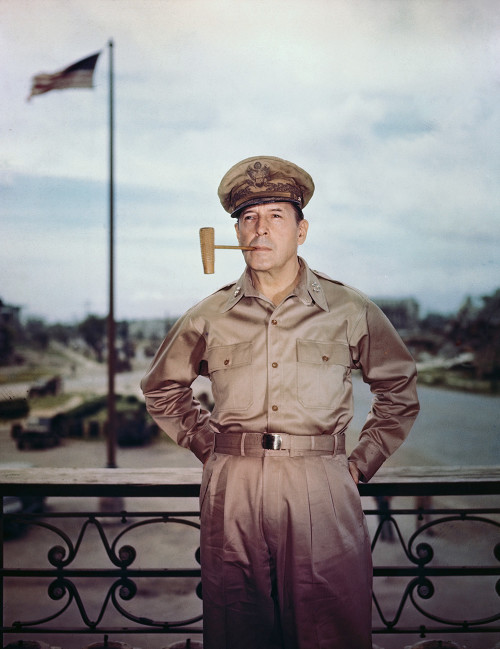
David McCormack gives a short history of General Douglas MacArthur’s administration of Japan and his six decades on the throne as a ‘man of the people’.
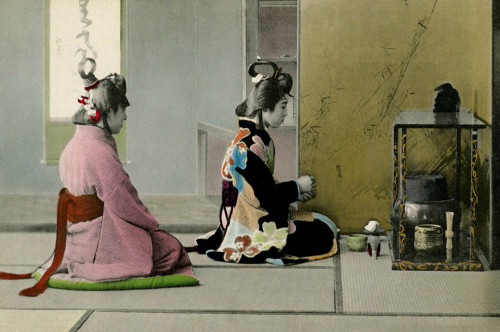
Dr. Alexandre Avdulov gives a short history of the globalisation of Chanoyu, better known as Japanese tea ceremony, and argues that the practice has provided great potential for intercultural communication.
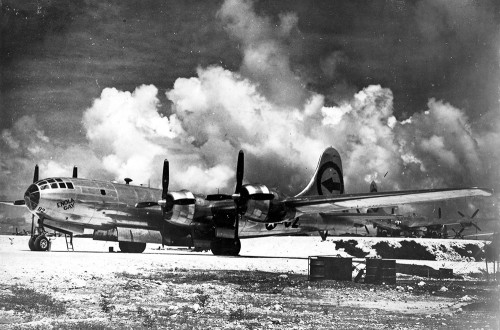
Michael Liam Kedzlie gives an account of USAF operations the morning of the atomic bombing of Hiroshima, Japan.
Professor Dexter Da Silva interviews Professor Frank S. Ravitch on constitutional reform in Japan and the controversy surrounding the Yasukuni Shrine in Tokyo.
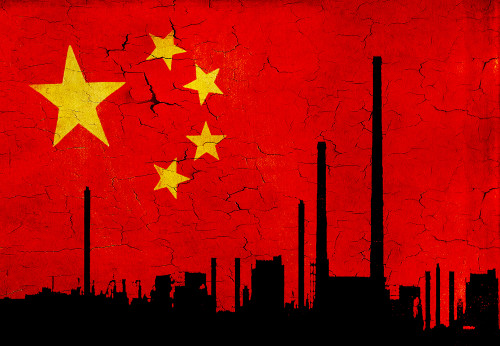
Dilton Ribeiro argues that China and Japan’s territorial disputes, such as the Senkaku/Diaoyu Islands, present an opportunity for both countries to focus not on their differences but on their commonalities.
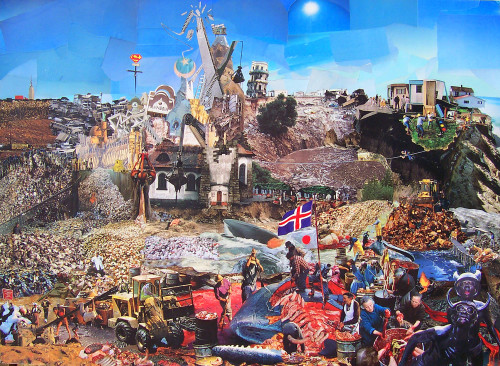
Michael Liam Kedzlie looks at the global controversy caused by Japan’s practice of whaling, and attempts to get to the bottom of why the otherwise favourable Asian nation thinks it’s worth the rap.
Professor Jiro Takai is interviewed by the President of The International Academic Forum (IAFOR), Dr. Joseph Haldane, on the merits of various strategies and methods of conflict management, including that of the avoidance of conflict in Japanese society.
Professor J.A.A Stockwin looks at Japan’s development under the Abe Government, including the political system, the ‘Peace Constitution’, human rights and foreign policy.
Dr. Joseph Haldane, President of The International Academic Forum (IAFOR), interviews Nicholas Benes on Japanese corporate governance, corporate culture and the importance of director training in Japanese business.
You must be logged in to post a comment.