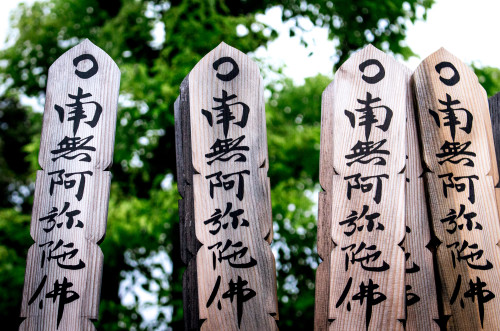
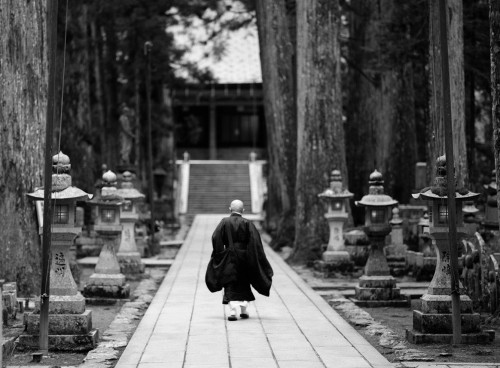
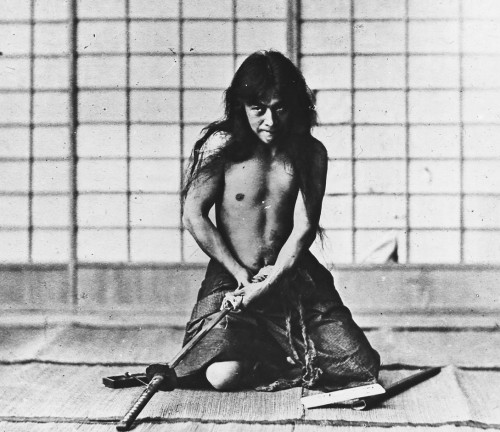
Professor D. B. Picken examines the history, formation, evolution and continuing importance of death systems in Japan in Part 6 of his 20-part series, “Death in the Japanese Tradition”.
The Grand Prize Winner, Runners Up, Commended Entries and the Guest Judge selection of the sixth IAFOR Vladimir Devidé Haiku Award were announced by Dr. A. Robert Lee at The Asian Conference on Literature, Librarianship & Archival Science 2016 in Kobe, Japan on April 8, 2016.
In Part 5 of his “Death in the Japanese Tradition” monograph, Professor Stuart D. B. Picken looks at kami, and how the concern of the Japanese for the welfare of ancestral spirits is a feature that runs throughout their history and permeates every aspect of Japanese culture.
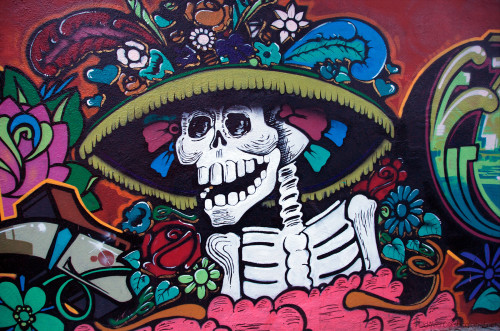
Nigel H. Foxcroft analyses the influence of cultures and civilizations upon literature and national identity by investigating the evolution of the cosmic consciousness of the English Modernist novelist and poet, Malcolm Lowry (1909-57) after his experience of the Mexican Day of the Dead Hispanic festival.
In Part 4 of “Death in the Japanese Tradition”, Professor Stuart D. B. Picken looks at the themes sounded in the classics that continue into modern Japan, and at the ancient folk beliefs, customs and rituals that are still maintained in many places today.
Wiktor Pastucha & Aleksandra Spychalska look at the extreme ways in which Islamic State uses modern communication technologies to promote its propaganda and facilitate its plans of genocide.
Professor Stuart D. B. Picken uses two great classics of Japanese literature, the Manyoshu and the Nihonshoki, to glean invaluable insights into the ancient Japanese understanding of the nature of human life and the origins of death in Part 3 of his “Death in the Japanese Tradition” series.
In part one of his two-part article about New Zealand’s forthcoming 2016 Defence White Paper, Michael Liam Kedzlie asks the question, “Will there be change or will things stay the same?”
In Part 2 of his serialised monograph, “Death in the Japanese Tradition”, Professor Stuart D. B. Picken looks at Japanese attitudes to death through the ages, from primal awakenings to Prehistoric perceptions.
The first instalment of Professor Stuart Picken’s serialised monograph “Death in the Japanese Tradition: A Study in Cultural Evolution and Transformation”, explains where his study of the subject began, and outlines where he will go with it.
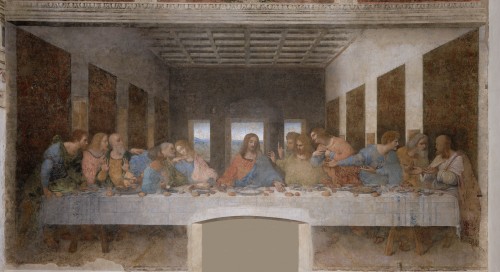
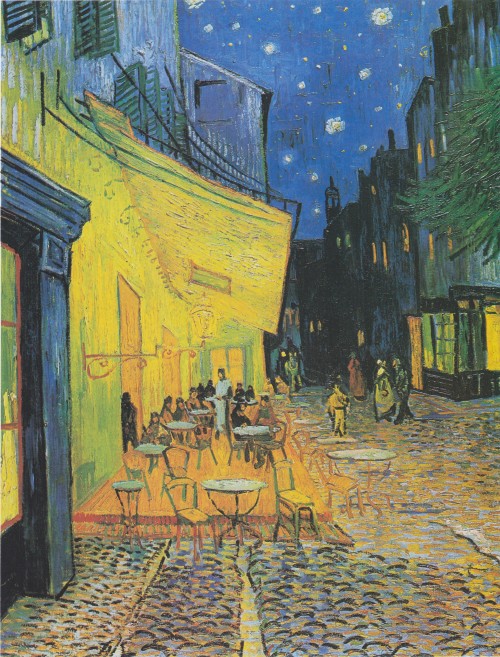
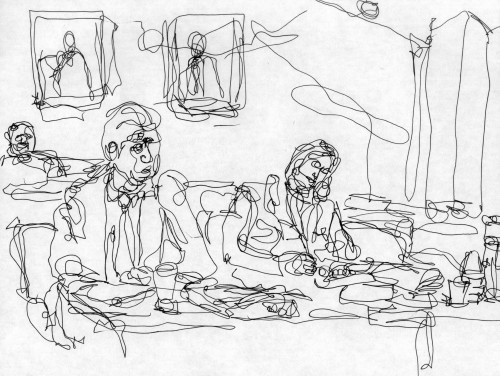
In the second and final part of Jared Baxter’s essay, he concludes analyses that Vincent van Gogh had the Last Supper in mind when he painted his Café Terrace on the Place du Forum, Arles, at Night.
Jared Baxter gets to the bottom of why one of Vincent van Gogh’s most famous paintings, the Café Terrace on the Place du Forum, Arles, at Night, can be identified as a Symbolist Last Supper
In light of the Super Tuesday sweep and despite the unanticipated hiccups in her campaign, Michael Liam Kedzlie predicts that it is still Hillary Clinton’s presidential race to win.
Half a century after its inception, Professor Joel Campbell looks back at Star Trek and explains why the cherished television franchise is a perfect tool for illustrating concepts of international relations in the classroom.
After participating in a New York community garden for over a decade, George Martin explains how the revival of urban agriculture can benefit more than just the sustainability of food production.
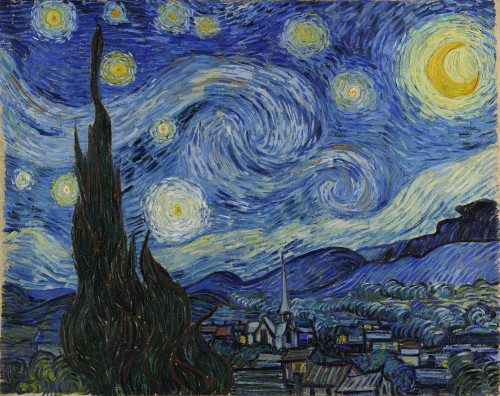
Jared Baxter looks at Vincent van Gogh’s Starry Night, advancing that the painting was inspired by Dante’s vision of the Empyrean Heaven.
Alexander Krieg outlines the misconceptions surrounding hikikomori, and the ways in which social withdrawal may be best explained by existing psychiatric disorders.
Dr. Maree Sugai puts forward the argument that the ‘opting out’ of society manifested in Japan is culture reactive and is a social epidemic that is growing.
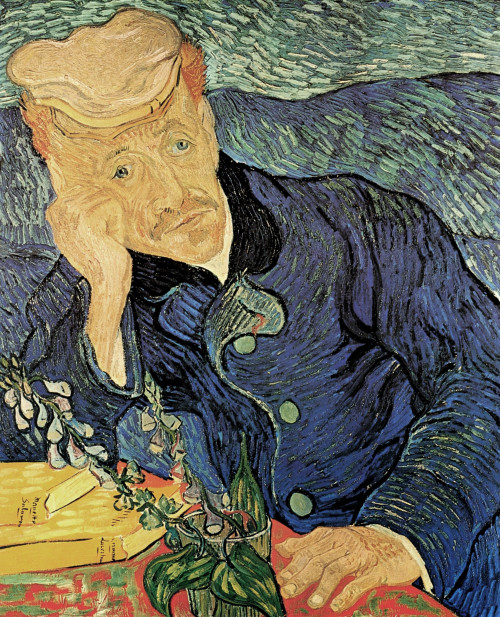
Jared Baxter looks at the ways Vincent van Gogh held Dürer’s “Christ as the Man of Sorrows” in mind when he crafted his “Portrait of Dr. Gachet”.
Just over a year on from the attack on the Charlie Hebdo offices, Dr. Joseph Haldane, President & CEO of IAFOR, looks back at the satirical newspaper’s fight for freedom of expression.
Professor Ruth Johnson Carter looks at the ways in which the murder trial of Emma Cunningham exemplified how race, wealth and geographical location effect the fairness of death row trials.
Dr. Paul Spicer on God Speed You! Black Emperor, a bōsōzoku biker gang documentary film by Yanagimachi, which both fascinates and infuriates.
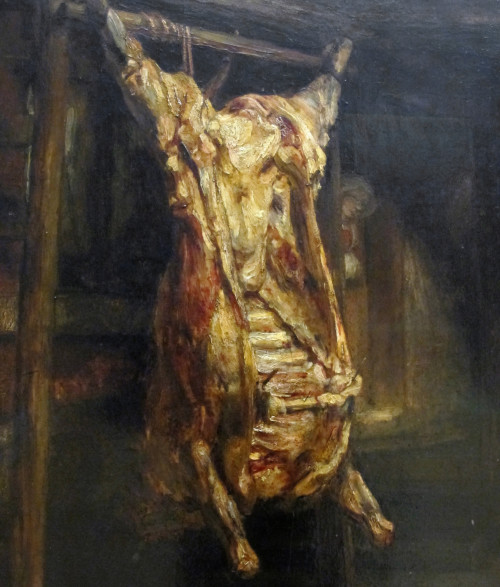
Jared Baxter examines how Vincent van Gogh interpreted Rembrandt’s Slaughtered Ox as an allegorical self-portrait and mirroring of the artist’s plight and destiny.
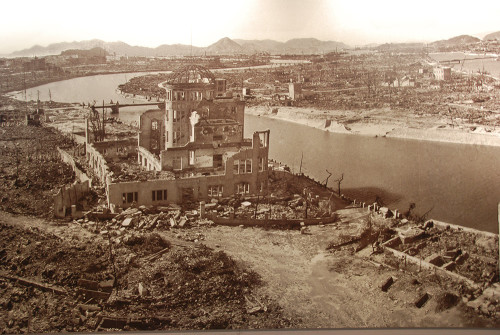
Theron Fairchild finds that the narratives surrounding the atomic weapons used against Japan vary in accuracy, each with histories of their own, influenced by political, social, economic, moral, and speculative arguments.
You must be logged in to post a comment.