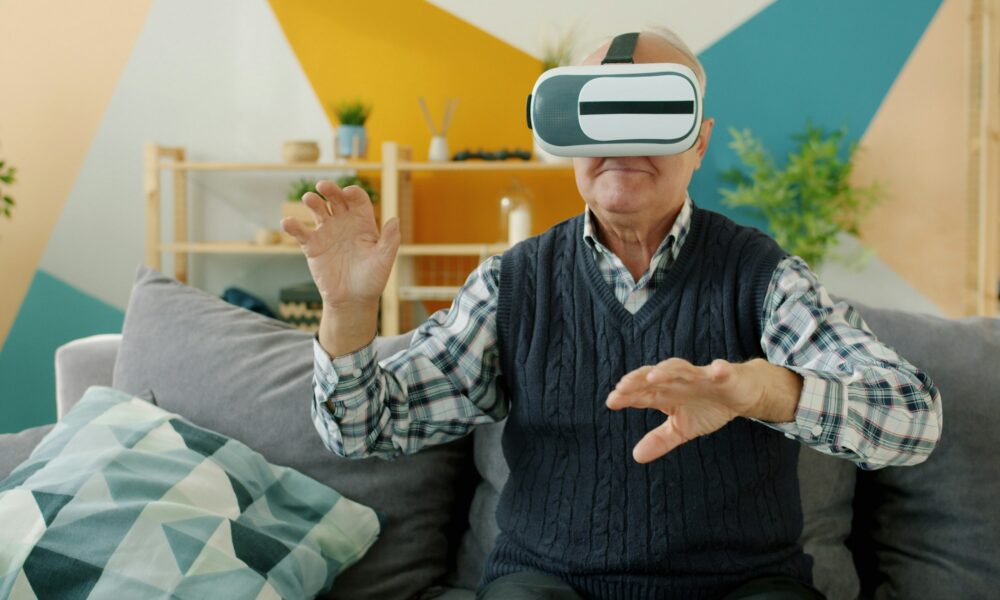
Experts on gerontology, architecture, built environment, and AI discuss the critical role of a multidisciplinary approach to support independent living among adults experiencing frailty and dementia.
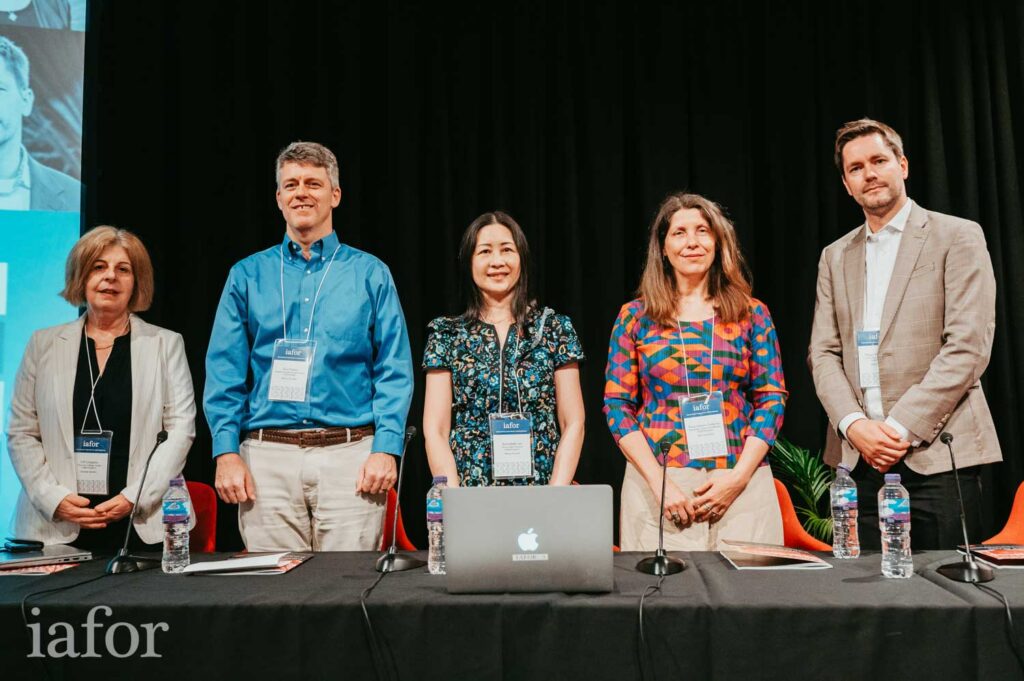
In photo (from left to right): Professor Gill Livingston of University College London (United Kingdom), Dr Paul J Nietert of the Medical University of South Carolina (United States), Dr Bernadette Lee of Princess Alice Hospice (United Kingdom), Dr Rosa Urbano Gutiérrez of the Manchester School of Architecture (United Kingdom), and Dr Helge Wurdemann of University College London (United Kingdom) at ECE/ECAH/EGen2025
To showcase the relevance and possibilities that come from interdisciplinary research, a panel on ‘Supporting Independent Living, Health and Healthcare Needs in Older Age: Integration of Robots and Smart Technology Within the Home’ ambitiously attempted to bring together perspectives from architecture, built environment, gerontology, and technology and AI. Moderated by Dr Jane Biddulph of University College London (UCL), this multidisciplinary panel discussed the potential and challenges of integrating robots and smart technology into domestic environments to support independent living for older adults, particularly those experiencing frailty or dementia. Panellists commented on prior demonstrations of assistive robots, bringing the discussion’s emphasis towards matching technology to real-world resident needs, preferences, and ethical considerations: enhancing quality of life rather than substituting human care. The panel featured Dr Rosa Urbano Gutiérrez of the Manchester School of Architecture, United Kingdom; Dr Bernadette Lee of the Princess Alice Hospice, United Kingdom; Dr Paul J Nietert of the Medical University of South Carolina, United States; and Dr Helge Wurdemann of University College London (UCL).

In photo: Dr Paul J Nietert of the Medical University of South Carolina (United States)
Professor Gill Livingston joined the panel and shared insights from a systematic review revealing limited evidence for robots’ effectiveness in dementia care, despite feasibility. Current trials with a companion robot offering music, reminders, exercises, art viewing, and conversation in the home aim to address initiation difficulties and reduce caregiver repetition stress, while acknowledging the irreplaceable need for human interaction.
Dr Paul J Nietert, biostatistician from the Medical University of South Carolina, drew parallels from multidisciplinary studies, including colorectal screening improvements via stakeholder input and music therapy boosting alertness in Alzheimer’s patients. He stressed that innovative solutions require diverse perspectives, from nurses and office staff to caregivers, and suggested robots could incorporate music or other engaging elements.
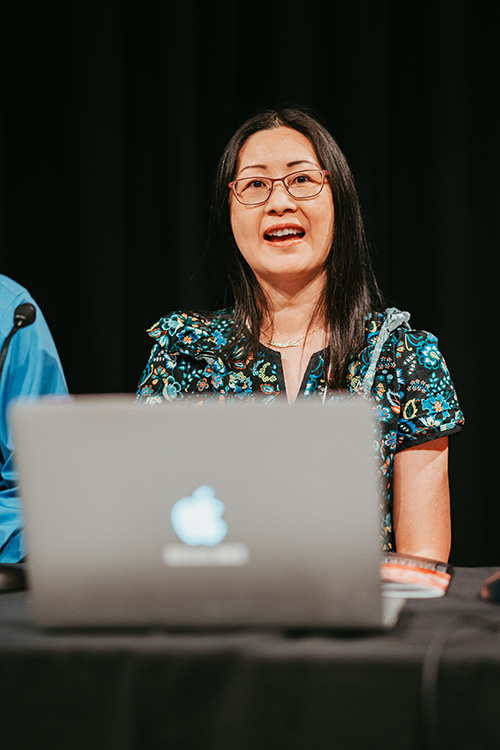
In photo: Dr Bernadette Lee of Princess Alice Hospice (United Kingdom)
Dr Bernadette Lee, consultant in palliative medicine at Princess Alice Hospice, provided practical grounding within the panel through her clinical experience. In clinical reality, complex, unstable conditions, medication burdens, and workforce shortages hinder AI integration. Patients struggle with existing apps; equity, sustainability, and rapid fixes for failures are critical concerns. She welcomed innovation but highlighted human factors often seen in ageing populations, such as resistance to home changes, and the need for reliable support systems.
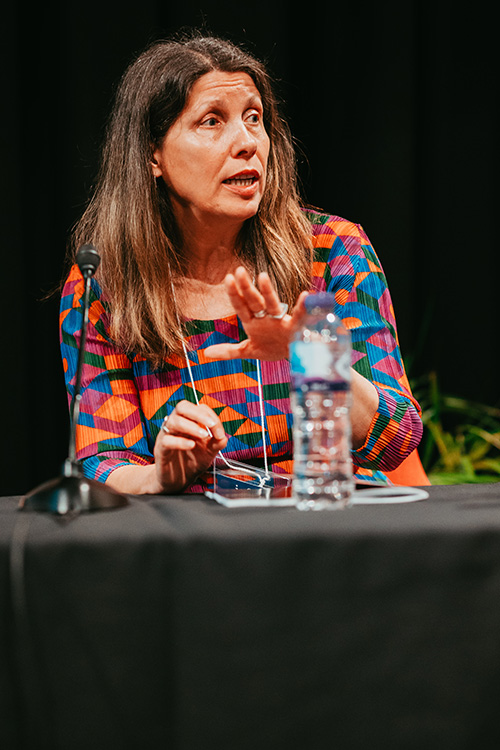
In photo: Dr Rosa Urbano Gutiérrez of the Manchester School of Architecture (United Kingdom)
Dr Rosa Urbano Gutiérrez, architect from the Manchester School of Architecture, addressed environmental integration: retrofitting typical UK homes such as the blueprint terraced houses with stairs, poses significant challenges. Furthermore, when considering sensor-friendly surfaces, patterns, widths, and noise, robot-inclusive design— is absent from current curricula and regulations, yet essential for seamless cohabitation.
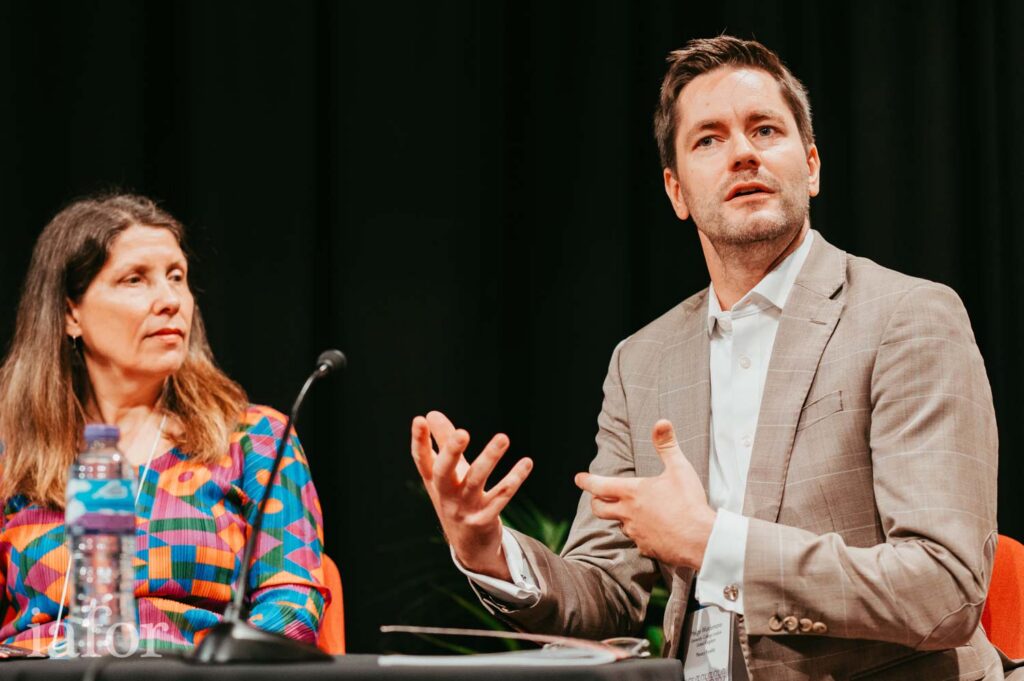
In photo: Dr Helge Wurdemann of University College London (United Kingdom)
Dr Helge Wurdemann, roboticist at University College London (UCL), focused on technical and ethical feasibility in ‘extreme’ home environments. He advocated for augmentation over replacement, emphasising inherently safe physical interactions via soft materials, and motivating caregiving careers while involving all stakeholders (residents, caregivers, designers) to identify priority challenges and ensure trust.

In photo: Dr Evangelia Chrysikou of the University College London (United Kingdom)
Dr Chrysikou, who previously introduced the panel, claimed that this research is first of its kind and extremely important in that it attempts to bring together various disciplines to solve a challenge, which has up to now been approached only insufficiently by disciplinary research. She noted that the way forward when researching older adults should be interdisciplinary, and commended the panel’s ambitious goal. The panel concluded cautiously optimistic: robots hold transformative potential amid shortages, but require robust evidence, ethical frameworks, multidisciplinary collaboration, and real-world adaptability to truly support dignified independent ageing.
Watch the full Panel Discussion in the video below.
Banner image: Vitaly Gariev, Unsplash

You must be logged in to post a comment.